What You'll Learn in This Guide
Let's be honest. The stock market feels like a club with a secret handshake. You see charts with jagged lines, hear about people making or losing fortunes, and the whole thing is wrapped in jargon like "P/E ratios" and "bear markets." It's intimidating. I remember my first foray—I bought a stock because the name sounded cool. That didn't end well. This guide is the one I wish I had. We're going to strip away the complexity and talk about what the stock market is, how you can actually participate without losing your shirt, and the mindset shifts that matter more than any hot tip.
What a Stock Actually Is (It's Not a Lottery Ticket)
Forget the ticker symbols and flashing prices for a second. A share of stock is simply a tiny piece of ownership in a real company. When you buy a share of, say, Apple, you own a microscopic slice of Apple Inc. That's it. You're not betting on a number going up or down. You're becoming a part-owner of its business, its products (the iPhone in your pocket), and its future profits.
The Core Idea: The stock market's primary job isn't gambling; it's a marketplace for ownership. Companies sell shares to raise money to grow (this is the "IPO" or Initial Public Offering you hear about). After that, investors like you and me trade those ownership slices amongst ourselves based on what we think that future ownership is worth.
Why does the price change every second? It's a giant, continuous auction. If more people want to buy Apple stock than sell it, the price goes up. If more people want to sell, the price goes down. The "value" is just the last price someone agreed to pay. This is crucial: the market price is often emotional and short-term. The intrinsic value—what the company's assets and future profits are truly worth—is what long-term investors try to figure out.
How the Stock Market Really Works: The Basics
You don't call up Apple and ask to buy three shares. You use a middleman called a brokerage. Think of them as the Amazon for stocks. Platforms like Fidelity, Charles Schwab, or newer apps like Webull are online brokerages. You open an account, deposit money, and then place orders through their website or app.
There are two main venues where stocks trade:
- Exchanges: Like the New York Stock Exchange (NYSE) or NASDAQ. These are centralized, regulated marketplaces with specific listing requirements.
- Over-the-Counter (OTC): A more decentralized network for trading stocks that don't meet exchange requirements (often smaller or riskier companies).
Your buy order from your phone gets routed to one of these places, matched with a sell order, and executed. It happens in milliseconds.
Understanding Those Scary Market Terms
The financial news loves dramatic terms. Here’s the simple translation:
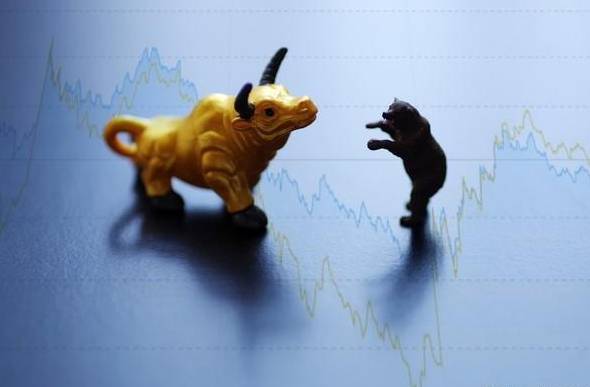
- Bull Market: A period when prices are generally rising. Optimism is high.
- Bear Market: A period when prices fall by 20% or more from recent highs. Fear and pessimism dominate.
- Volatility: How much and how quickly prices swing up and down. A "volatile" stock is a rollercoaster.
- Dividend: A portion of a company's profits paid out to shareholders (its owners) in cash. Not all companies pay them.
Here's a reality check I learned the hard way: a bear market isn't a disaster for a beginner with a long-term plan. It's a sale. If you believe in a company's long-term health, buying its stock when everyone else is panicking and selling can be a smart move. The trick is having the cash and the courage to do it, which most beginners lack because they invest everything at the peak.
The 5 Costly Mistakes Every New Investor Makes
After coaching dozens of new investors, I see the same patterns. Avoiding these is more important than finding the next "big thing."
- Investing Money You'll Need Soon: The market can be down for years. If you need that money for a down payment or tuition next year, it doesn't belong in stocks. Start with an emergency fund in a savings account first.
- Chasing "Hot Tips" and Trends: By the time you hear about a "can't miss" stock on social media or from a friend, the professional money has usually already moved. You're often buying high, just before the hype dies.
- Checking Your Portfolio Constantly: This is psychological torture. Daily fluctuations are noise. Constantly watching leads to emotional decisions—selling in panic during a dip or getting greedy during a surge. I set a rule: check no more than once a month.
- Putting All Eggs in One Basket: Investing your entire savings into one company, or even one sector (like all tech), is incredibly risky. If that one thing fails, you're wiped out.
- Thinking You Need a Lot of Money to Start: This is a total myth. Many brokerages now allow you to buy fractional shares. You can own $10 worth of Amazon, not a whole $3,000 share.
The Hidden Pitfall: The biggest mistake isn't a bad pick; it's not starting at all because you're waiting to "learn enough" or find the perfect moment. Time in the market is more powerful than timing the market. Starting small with a simple plan today beats a perfect plan you start five years from now.
Your First Practical Steps to Start Investing
Let's move from theory to action. Here is a concrete, step-by-step path for your first $500.
Step 1: Open a Brokerage Account
This is easier than opening a bank account. Choose a major, reputable broker with low or zero fees. For absolute beginners, I often suggest Fidelity or Charles Schwab for their educational resources and customer service. The app-only brokers are fine too, but ensure they are SIPC-insured (protects your securities if the broker fails). The sign-up is online: personal info, employment, funding method. It takes about 15 minutes.
Step 2: Fund Your Account
Link your checking account and transfer some money. Start with an amount that, if it vanished tomorrow, would make you annoyed but not destitute. $100, $500—whatever lets you sleep at night. This is your learning capital.
Step 3: Your First Investment: Think Basket, Not Single Stock
Resist the urge to pick a sexy tech stock. Instead, buy a single, low-cost index fund ETF. An ETF (Exchange-Traded Fund) is a basket that holds hundreds of stocks. The most famous is the SPDR S&P 500 ETF (ticker: SPY), which holds a piece of the 500 largest U.S. companies. By buying SPY, you instantly own small pieces of Apple, Microsoft, Johnson & Johnson, Exxon, etc. You're diversified from your very first trade.
In your brokerage app, search for "SPY" or "VOO" (another S&P 500 ETF). Decide how many shares (or fractional shares) you want with your $500 and place a "market" order. That's it. You now own a slice of the American economy.
How to Research When You're Ready for Individual Stocks
Once you have your core in an index fund, you can explore individual companies. Don't just look at the stock chart. Ask these basic questions:
| What to Look At | The Dummy's Question to Ask | Where to Find It (Example: Company Website) |
|---|---|---|
| The Business | What does this company actually do? Do I understand it? Do I use its products? | "About Us" section, annual report ("10-K") |
| Financial Health | Is it making more money than it spends? Does it have a lot of debt? | Income Statement, Balance Sheet in the 10-K |
| The "Moat" | What stops a competitor from stealing its customers? (Brand? Technology? Cost?) | Think about the industry. Is it easy to do what they do? |
| Leadership | Do the executives seem competent and trustworthy, or are they always in the news for scandals? | News searches, shareholder letters in the annual report |
My personal rule? If I can't explain what the company does to a 10-year-old in two sentences, I don't invest in it. Complexity often hides risk.
Your Burning Questions Answered
I only have $100. Is it even worth starting?
How do I know if a stock's price is too high?
Should I invest in individual stocks or just stick to funds?
What's the single most important habit for a new investor?
The stock market isn't a get-rich-quick scheme. It's a tool for building wealth slowly, alongside your career and savings. It rewards patience, discipline, and a willingness to learn more than it does brilliance or luck. Start small, start simple, and focus on not making the big mistakes. The rest comes with time and experience. Now, go open that account.